Workshops
Workshops
On Tuesday 15 June, 2027, the day before the conference starts, there will be workshops. Please check below for further information about each Workshop. We look forward to welcoming you to the 18th International Conference on the Short Story in English.
Shuttle service to the Hendrix campus will be provided for workshop participants, departing from the hotels at 9:30 am to 1:30 pm.
Tuesday 15 June, 2026, 10:00 am - 1:00 pm
Robin Hemley - Beginnings and Only Beginnings
Billie Travalini - Flash Fiction: Grabbing Hold of a Moment in History and Not Letting Go
Michael Mirrola - How to Maximize your Chances of Publishing a Short Story Collection
Marjorie Kanter - Notice/Attention, Accurate Recording and Playfulness
Rebekah Clarkson - Unlocking the Story: How to Give and Receive Feedback that Transforms Fiction
Tyrone Jaeger - When Research and Character Reverberate
Evelyn Conlon - After the Start
Paul McVeigh - The Story Surgery
Robert Butler - The Essence and the Practice: a Theory and a Coached Story
Xu Xi - Writing the “International” Short Story
Hope Coulter - Making It Through the Middle: Plot and Process Tips for Actually Finishing Your Story
Tuesday 15 June, 2026, 2:00 pm - 5:00 pm
Please find further information on the available Workshops and their Leaders below.
Morning Workshops
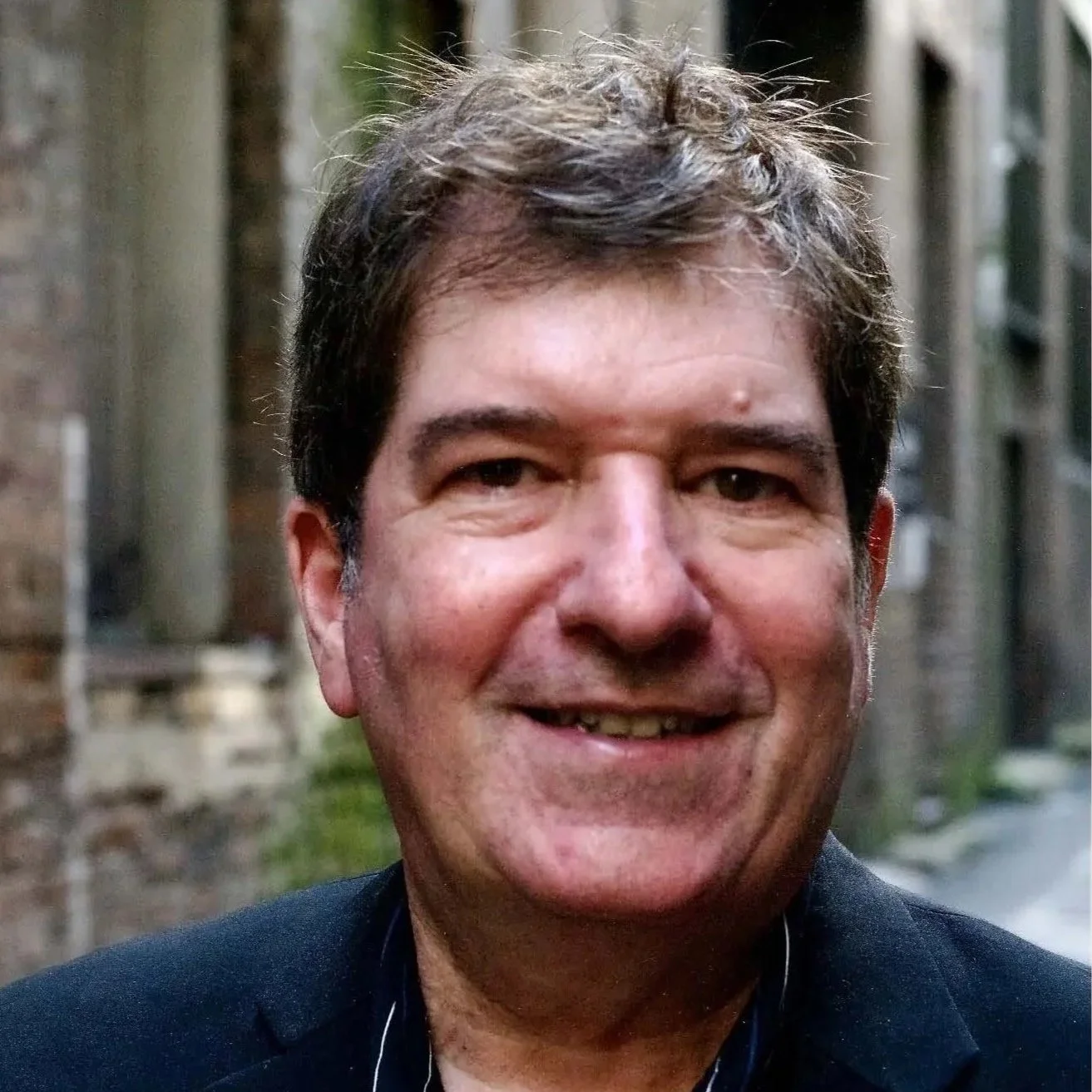
Beginnings and Only Beginnings
This will be a generative workshop in which participants will write at least ten first lines and from those lines, three first paragraphs. The aim of the workshop is to generate potential stories based on objects, unusual sights and situations, memories, and thwarted desires. We will not only explore traditional Western beginnings with the conflict up front, but also the Asian (Japanese, Chinese, Korean) model known as kishotenketsu, which has a more leisurely way of beginning. We will look at first lines from writers around the world, and discuss what makes them compelling, like how a first line can contain so much, including the thwarting of our expectations. You can expect to write and share both your own instant beginnings and the beginnings of a short story or two that you find especially evocative.
with Robin Hemley
Flash Fiction: Grabbing Hold of a Moment in History and Not Letting Go
Readers root for spunk. This is especially true of readers of flash fiction, where a protagonist is yearning for something and readers meet him well into his quest. Good-by backstory and detailed setting. That’s right, unlike longer stories, flash fiction has little space; therefore, many details have to be hinted at, not written. Using critically successful stories—all under 750 words—as our models, we will uncover what it takes to write flash fiction that has a beginning, middle, and end that are as powerful as any novel you have read.
Finally, from a number of writing prompts—with and without historical references—you will choose a prompt that, hopefully, helps you free write a flash fiction story of your own. The workshop will conclude with a brief question and answer session.
with Billie Travalini


Notice/Attention, Accurate Recording and Playfulness
This workshop is interactive and process oriented.
The goal of this workshop is to open doors to your creative mind and enhance your creative energies. You will participate in multiple short exercises that will bring about the exploration and understanding of self, context, relationships…etc. You will dig into your subconscious work to catch floating (often previously unnoticed) thoughts, expand your thinking, and use language to express that thinking. You will turn upside down and inside out, pay attention to yourself and what is around you, hear and see different points of view, capture and record accurately and then engage in playfulness to transform collected data into creative writing pieces.
The workshop will include the cycling and weaving through of activities focused on the following:
Notice and attention.
Data gathering and accurate recording.
Playfulness.
with Marjorie Kanter
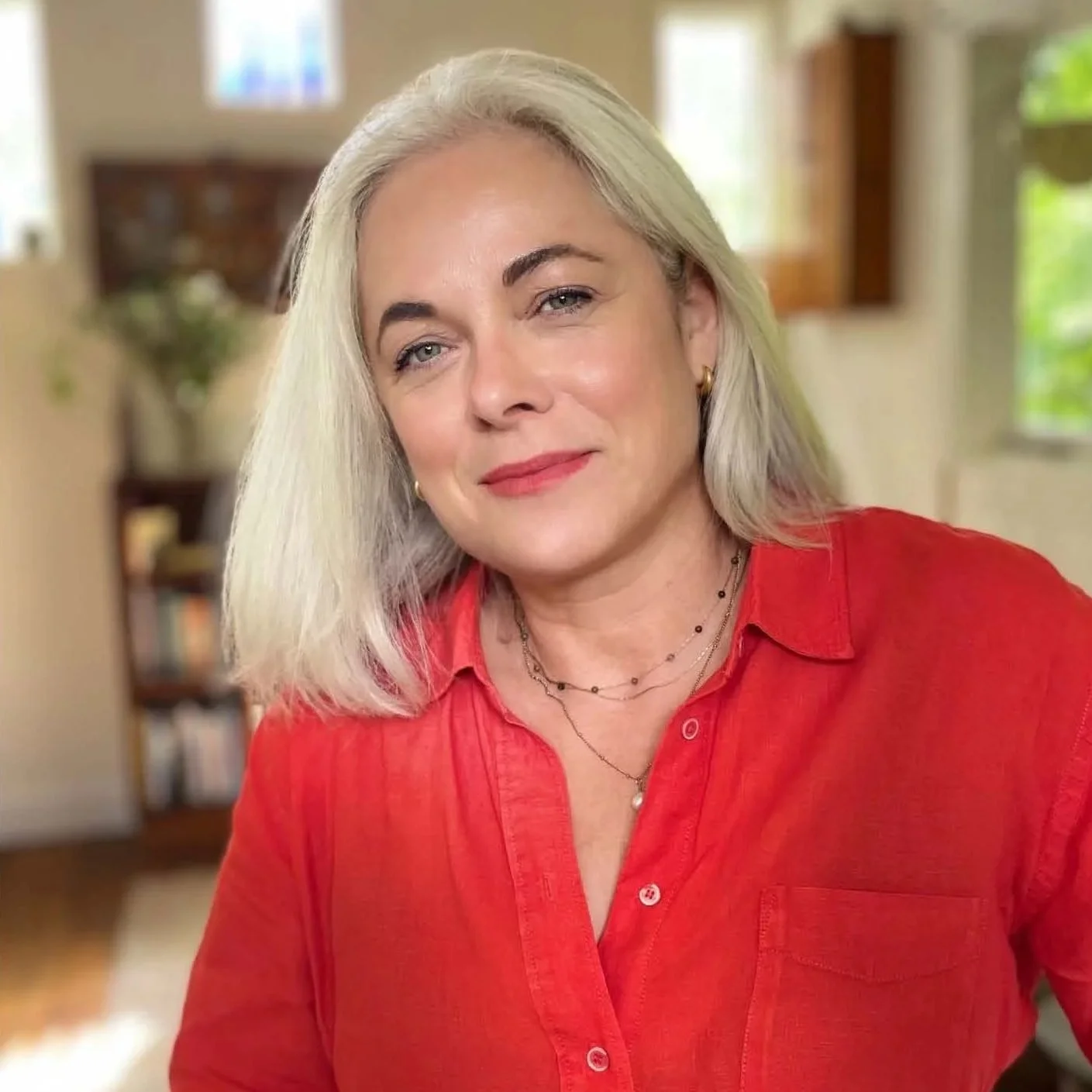
Unlocking the Story: How to Give and Receive Feedback that Transforms Fiction
By virtue of their brevity, it is quick and easy to provide a writer with great feedback on a short story, right?
Wrong … (and we’ve all lived through a horror to know it.) But at some point in the writing process, we need and want to receive feedback on our short stories. This workshop will help you better understand your own creative process as a short story writer, how and when to find appropriate feedback, and how to hear it in a way that empowers you to serve the story you’ve written. We’ll explore and practise strategies for giving astute and sensitive feedback on the stories of others, and particularly, how to shed light on missed narrative opportunities peculiar to the short form – those elusive and wondrous ‘gaps’ that have the capacity to create whole worlds. This workshop will be particularly useful for new and emerging writers. It is designed to be empowering, illuminating, and skill-building: no scary feedback sessions here.
with Rebekah Clarkson
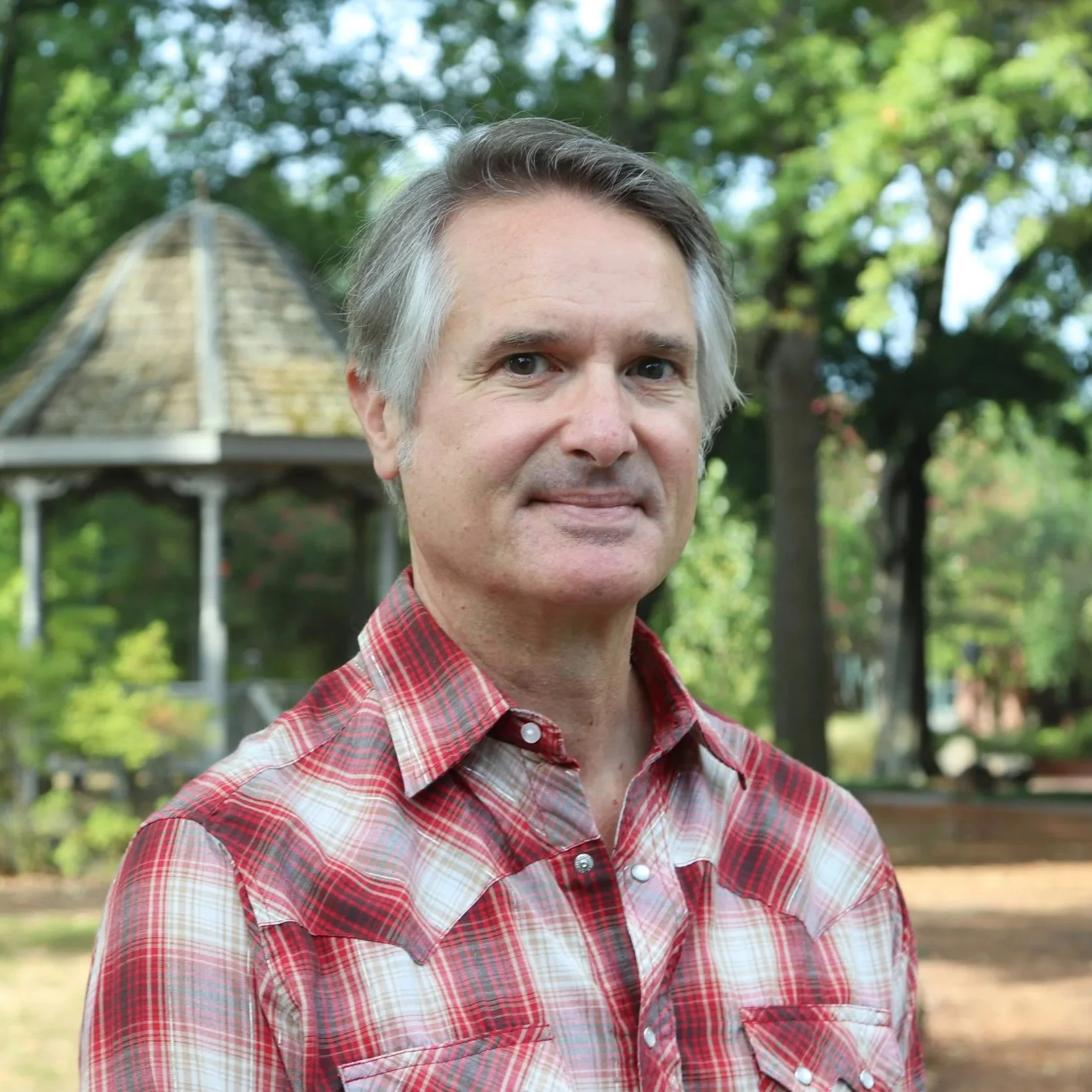
When Research and Character Reverberate
Research in its many forms can inspire and inform a short story, creating context your characters inhabit and providing details that make a fictional world believable. Research, however dynamic, only acts as an influence on a story. The story itself derives from character, desire, and situation. Writers can use research to develop and deepen their characters by asking how they behave and change in the context of their fictional world.
In this workshop, you will share a story pitch and a sampling of research you’ve collected. As a group, we’ll use this writing to generate questions about your character’s desires, complexities, and inner and outer lives. We’ll consider how your character/s and their context collide and how this collision might reveal the story’s trajectory. We’ll conclude the workshop with a character exploration exercise and a voluntary sharing of discoveries.
By June 1, 2027, workshop participants will email the workshop facilitator a one-page document that includes a short story pitch (a few sentences on the story’s imagined focus; who it’s about and what it’s about) and a bullet list of your research finds. Participants’ one-pagers will be shared with the group prior to the workshop, and you’ll be expected to read these beforehand. Come to the workshop ready to join the conversation and do some writing.
This workshop is capped at 10 participants.
with Tyrone Jaeger
How to Maximize your Chances of Publishing a Short Story Collection
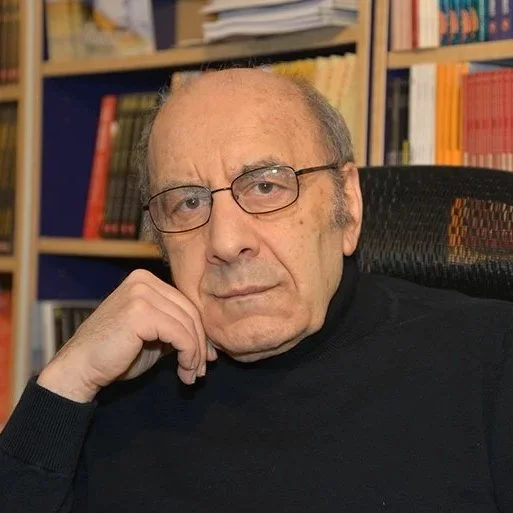
Personal experiences from someone who combines publishing, editing and writing. From putting together the best collection possible to creating can’t-miss tag lines, synopses, query letters, audience targeting, and marketing plans. Historical examples followed by one-on-one tutoring of workshop attendee presentations. This workshop will provide:
Hands-on information and one-to-one dialogue for short story writers at all levels of their development. The approach will depend on the make-up of the attendees.
Specific information on what makes a good short story collection.
Information on publishers who are favorable towards publishing short story collections and the types of collections they favor.
Information on how to create/fine tune successful tag lines, synopses, query letters, and marketing plans — with examples followed by one-on-one with attendees.
Mirolla will help writers develop the ability to explain during the workshop the level they’re at (how close they feel they are to having a collection ready), and the types of short stories they write. Writers will be invited to bring in their tag lines, synopses, query letters and marketing plans so that they can be discussed and dissected in the workshop.
with Michael Mirolla
Afternoon Workshops
After the Start
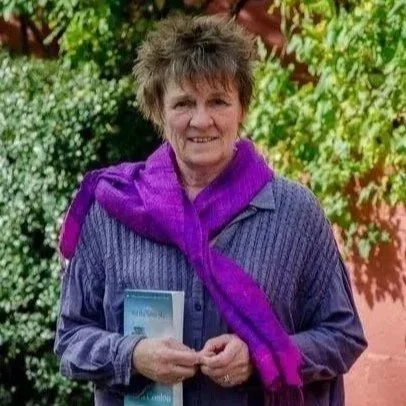
In this workshop, I would like to address what happens when the story has begun, and how to stay with the one piece so that it conveys what we want of it. At what stage does the writer begin to see a collection and is this a bad plan? Do they see their work in conversation with their own reading? How has this reading helped or hindered their process? We will discuss each participants particular difficulties, so that they may leave knowing better how to take the next steps. This discussion will touch on the personal or political—small p— issues that impinge on the writers' imaginations as they move through the story. In other words, we will look at what happens after the boots have been put on. Hopefully participants will leave knowing why they are creating the particular work they’re engaged in and how to finish it. Each writer should bring with them a story, or the beginning of one, with copies for their co-attendees.
with Evelyn Conlon
The Story Surgery
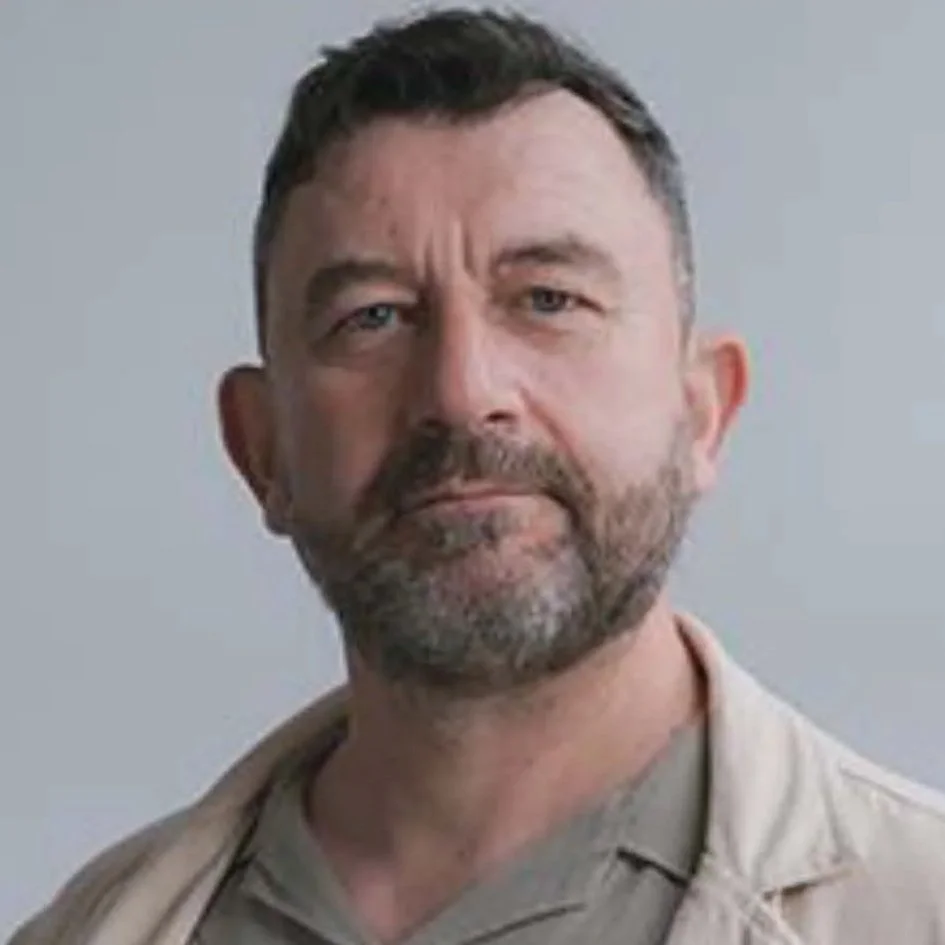
Bring your notebooks with your fragments, your unfinished stories, and ideas that just wouldn't launch. This workshop will talk you through a method of making them work. Using examples from his work, Paul will show you how he has used his method to create powerful narratives in his story surgery. Because he is also a playwright and a member of the BBC radio show which awards prizes to stories read on the air, Paul may also show you how to write that story to be read on the radio. Be prepared to work and learn a lot.
with Paul McVeigh
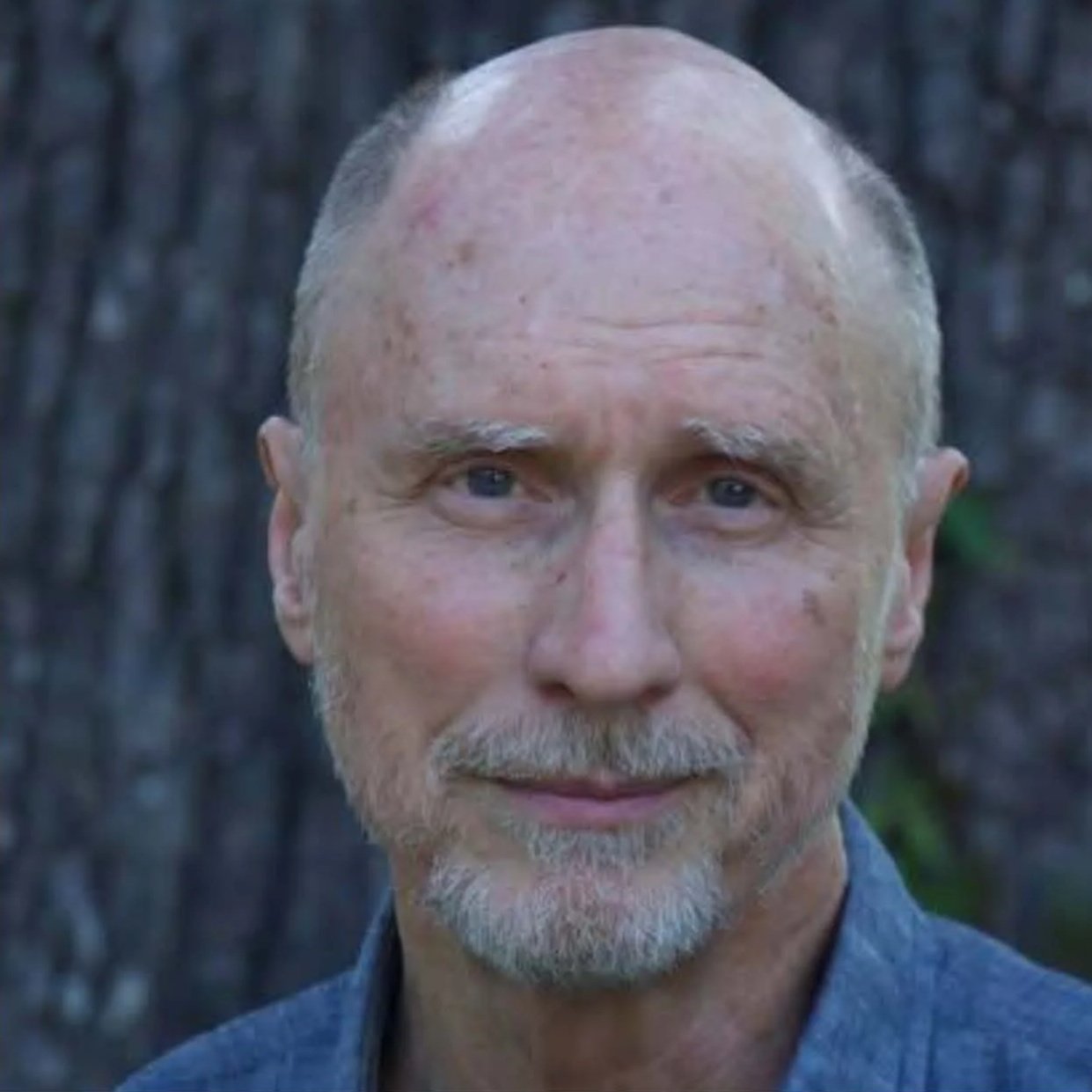
The Essence and the Practice: a Theory and a Coached Story
The workshop will have two parts. One will focus on the fundamentals of the creative process for any fiction writers, beginning or advanced, who aspire to create enduring literature. We will address such issues as what is art and what is distinctive about the way the artist addresses the world, the inner self, and the objects to be created. The second part will be a carefully constructed, orally coached, in-class writing session that will help attendees instantly exercise the parts of their artistic self identified in the first part and that could potentially yield a viable short story.
Absolutely essential: Bring to the workshop an appropriate mode of story-writing that you are comfortable using, anything ranging from portable computer to paper and pencil.
With Robert Butler
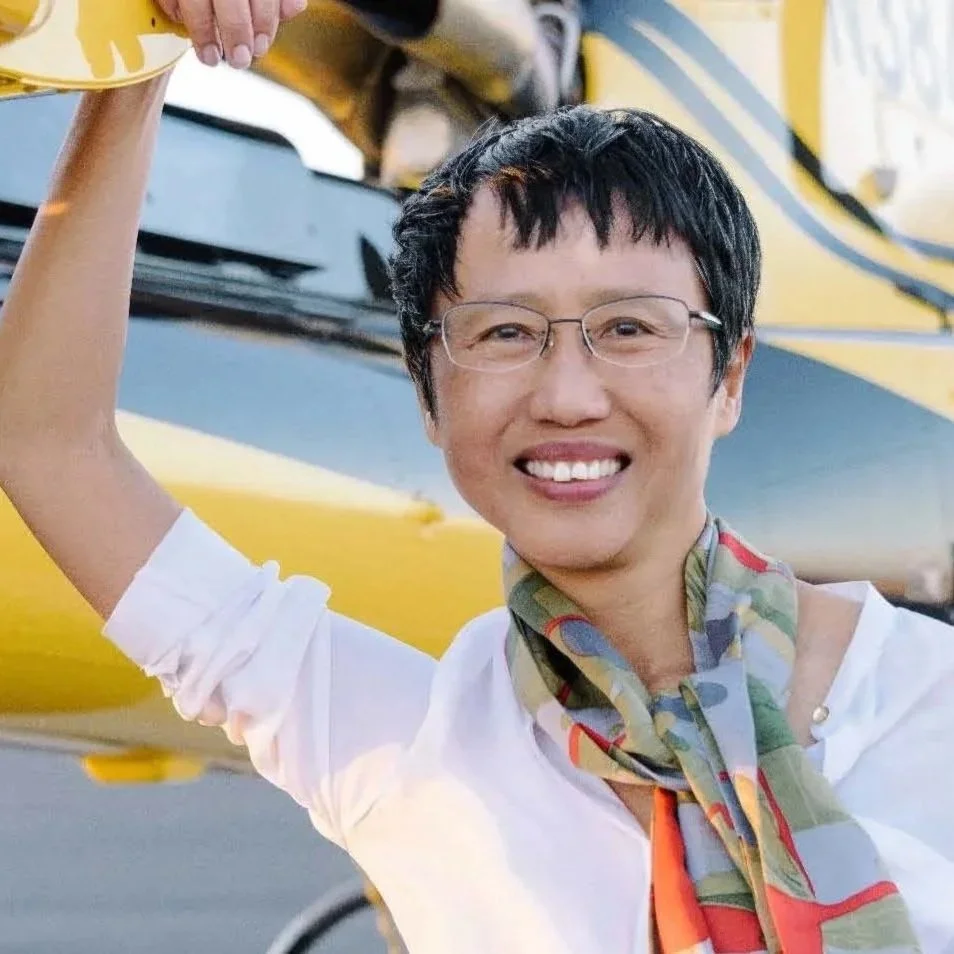
Writing the “International” Short Story
What does “international” mean anymore? Those of us who transit nations, cultures, languages or religions are only too aware of the discomforts that plague our increasingly divided world culture. So how does that transform the short story today in English, a language that is the global lingua franca, even in literary publishing, regardless of a writer’s first language? In this workshop, transnational author Xu Xi will help you unleash your own “international English” for narrative. Through a series of reading and writing exercises, define and craft what you need to internationalize your English for a new short story. Come prepared to write!
with Xu Xi
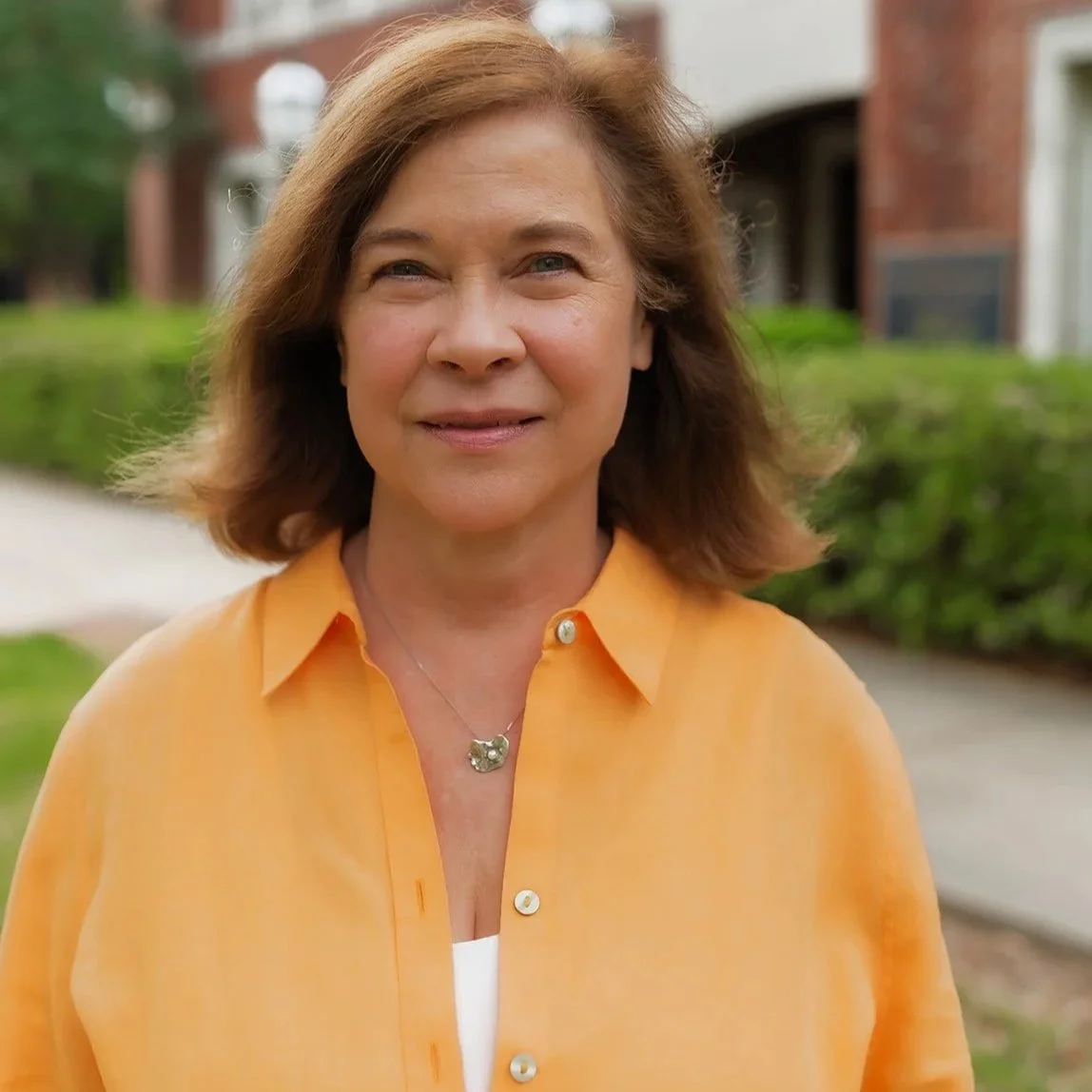
Making It through the Middle: Plot and Process Tips for Actually Finishing Your Story
Do you often find that you draft a wonderful beginning of a short story and then have trouble going further? Maybe you even have a sense of how you want the story to end, but instead of adding new scenes that would help you actually get to that ending, you spin your wheels endlessly polishing the opening. Being stuck in this way keeps you from the satisfaction of completing the story. It can make your creative work a source of frustration and self-abasement rather than absorbed pleasure.
This workshop will offer practical tips for making it through the middle: both plotting hacks to help you locate the story's forward momentum and keep it going, and process hacks to sustain your productivity throughout the writing.
Participants are asked to bring a draft opening of at least one story. Following guided prompts and exercises, we will use some time in workshop to extend these drafts into messy middles. You'll have the opportunity to share from your drafts, but that will be only optional, not required.
with Hope Coulter